Arts Program
Living Traditions: Music, Dance & Cultural Arts
Connect with heritage through authentic instruction in Tibetan songs, dances, and traditional instruments.
Program Overview
Keeping Traditions Alive
Living Traditions offers a meaningful and enriching environment where children can connect with their heritage through music, dance, and traditional arts. Designed especially for second-generation Himalayan-American youth, the program provides engaging instruction in Tibetan songs, dances, and a range of traditional instruments.
Classes are taught by experienced artists trained at the Tibetan Institute of Performing Arts (TIPA), ensuring both authenticity and a supportive learning experience. This program helps nurture confidence, creativity, and a strong sense of cultural identity, while giving children the opportunity to build community and take pride in their heritage.
More than just instruction, Living Traditions is a celebration of the vibrant cultural expressions that have sustained Himalayan communities for generations.
What We Teach
Instruments & Arts
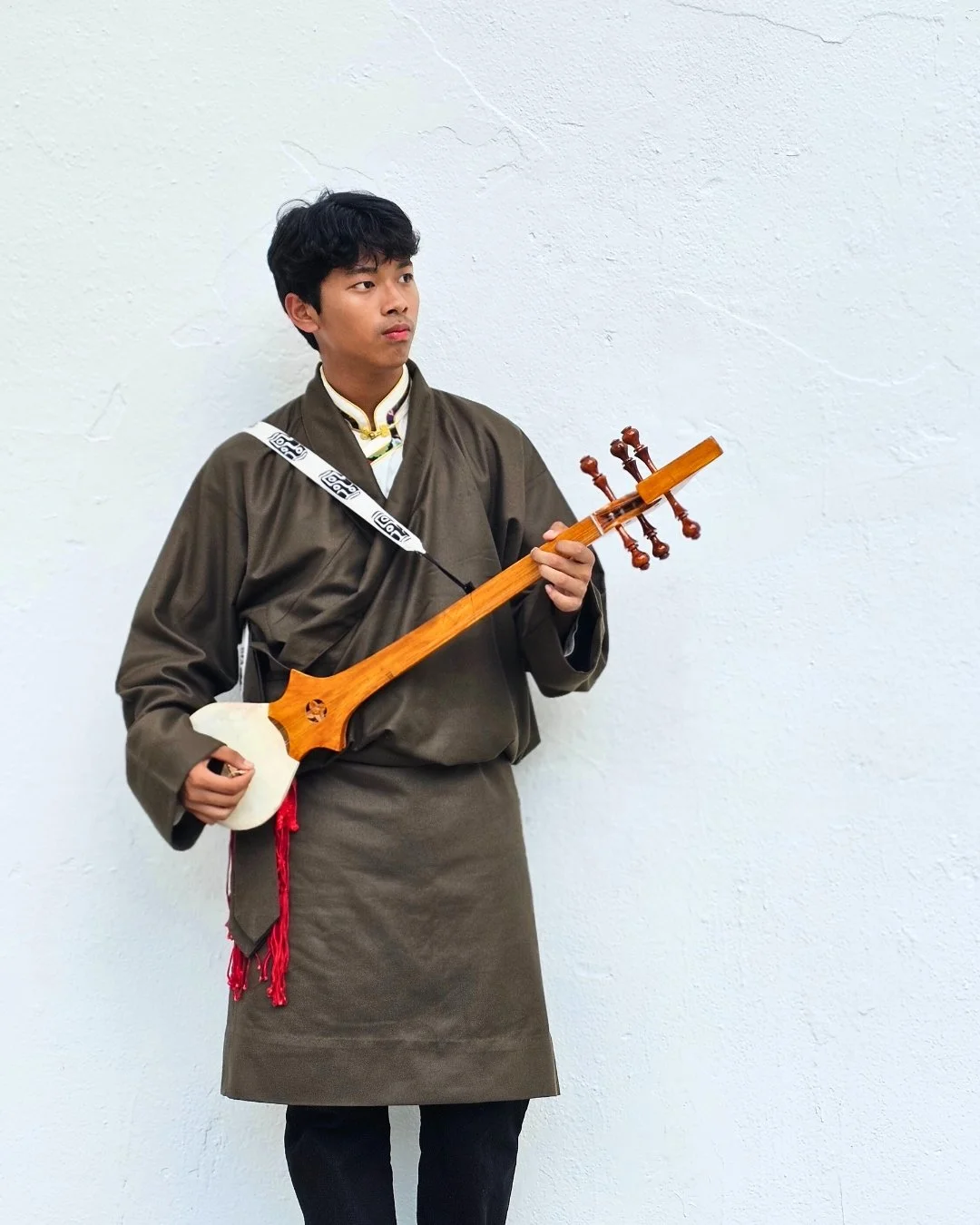
Our instructors teach authentic Himalayan instruments and performing arts traditions passed down through generations. Each instrument carries cultural significance and a unique sonic landscape.
String Instruments
🎸 Dramnyen
A traditional Tibetan lute with a warm, resonant tone used in secular and religious music.
🎻 Piwang
A two-string bowed fiddle producing haunting melodies central to Himalayan folk music.
🎹 Yangi
A traditional dulcimer with resonant tones, played in many Himalayan musical traditions.
Wind & Percussion
🪈 Flute
Traditional Tibetan woodwind instrument with a ethereal, meditative quality.
🥁 Drums
Traditional percussion instruments used in celebrations, rituals, and ensemble music.
🎭 Dance & Performance Arts
Learn traditional dances, costume-making, painting, and cultural performance techniques.
Expert Teachers
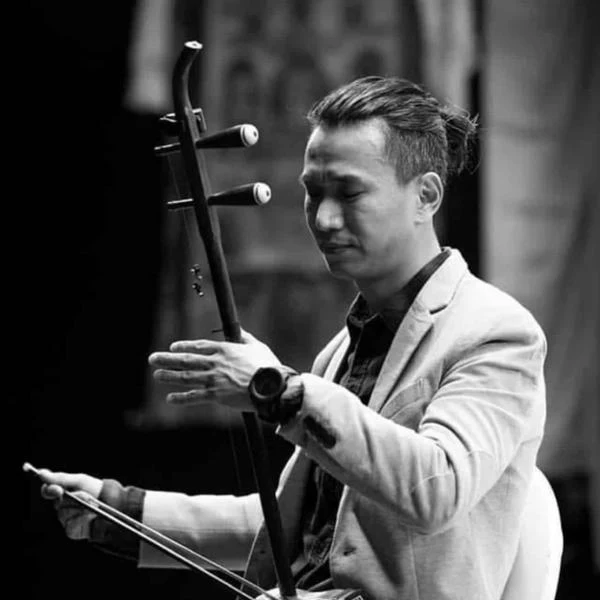
Learn from TIPA-Trained Artists
Our instructors are experienced artists trained at the Tibetan Institute of Performing Arts (TIPA) in Dharamshala, India — a world-renowned center for preserving and advancing Himalayan cultural traditions.
Authentic Instruction
Direct lineage of traditional techniques and cultural knowledge.
Patient & Supportive
Teachers create a welcoming environment for learners of all levels.
Professional Performers
Many are working musicians and performers sharing lived experience.
Impact
Why These Arts Matter
For second-generation Himalayan youth, learning traditional arts provides more than entertainment — it's a lifeline to cultural identity, a way to honor ancestors, and a bridge connecting them to a living heritage.
🎵 Cultural Continuity
Ensure these sacred traditions continue to live and evolve with each new generation.
✨ Creative Expression
Music and dance provide powerful outlets for self-expression, confidence, and joy.
🤝 Community Belonging
Build meaningful connections with peers and elders through shared artistic experiences.